





Search Results for: SOE Dirty
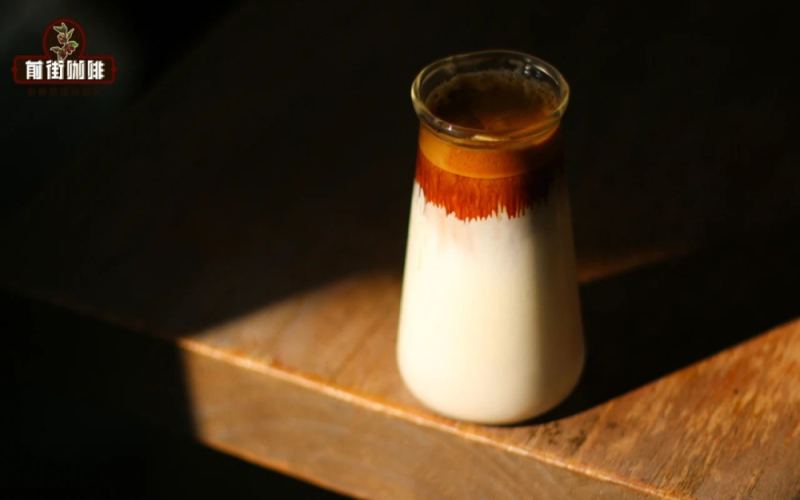
How Does Dirty Taste When Made with SOE? Sharing Practical Experience on Extracting Dirty Coffee with Single-Origin and Blended Beans
SOE and Dirty have both been hot topics in the coffee world in recent years, with many cafés rolling out SOE products and Dirty drinks made with single-origin beans. Front Street Coffee is often asked by customers whether SOE can be used to make a Dirty, so we decided to find out for ourselves what kind of taste experience this combination would bring. This article will start with the drinking method for a Dirty, analyze why traditional recommendations favor medium-to-dark roasted espresso blends, and then share Front Street Coffee's hands-on records and flavor impressions from making Dirty with three different SOE beans, for the reference of fellow coffee lovers. [more…]

SOE vs. Dirty Coffee Explained: A Comprehensive Guide to Single-Origin vs. Blend Differences and the Best Beans for Dirty Coffee
SOE and Dirty remain popular in the coffee world, but their meanings, characteristics, and why they are called a perfect match still leave many enthusiasts curious. This article will start with the concepts, explaining the essence of SOE (Single Origin Espresso) and Dirty (a layered espresso milk coffee), comparing the differences in flavor presentation between single-origin and blended coffee beans, and explaining why Dirty is more tolerant of coffee bean selection. The article also specifically recommends three Front Street single-origin beans—Yirgacheffe Gotingding, Fenhuaijie Manor Xizhua, and PWN Golden Mandheling—and includes specific extraction parameters and tasting experiences to help you make a cup of well-layered SOE Dirty at home. [more…]
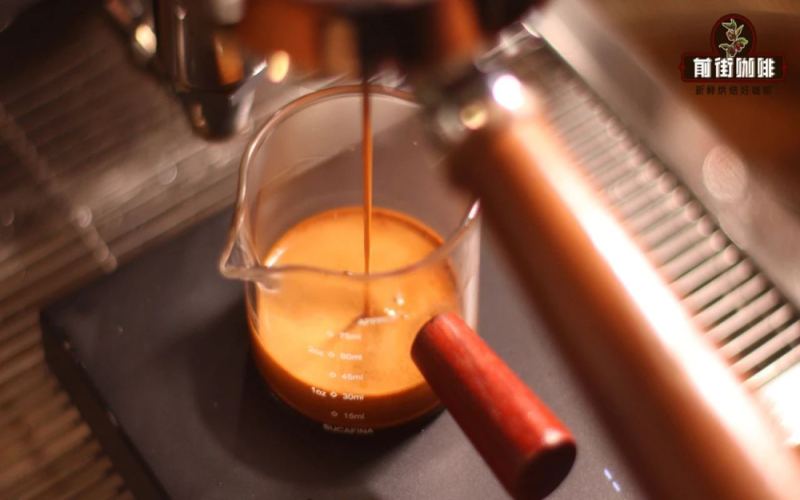
What Does SOE Coffee Mean? A Detailed Guide to Single-Origin Espresso and a Brazilian SOE Dirty Recipe Tutorial
When you walk into a café to order, the barista's casual question, "Would you like an SOE?" often leaves many customers puzzled. SOE stands for Single Origin Espresso, which refers to espresso made from coffee beans of a single origin. It can be extended into various drinks such as SOE Americano, SOE Latte, and SOE Dirty. This article will start with the development of specialty coffee, clarify the differences between SOE and blended coffee, and analyze the selection approach for acidic and bitter beans. Finally, using Front Street Coffee's Brazil Cerrado coffee beans as an example, it will fully share extraction parameters and the steps for making a Dirty, so you can make an excellent cup of SOE at home. [more…]

Coffee Terminology | What is SOE? Are Brazilian coffee beans suitable for making SOE single-origin espresso? Can SOE espresso be used to make dirty coffee?
For more specialty coffee knowledge, please follow our WeChat official account: Front Street Coffee (FrontStreet Coffee). Friends who love coffee know about espresso and single-origin coffee, but SOE coffee seems to have only come to your attention recently. So have you ever tried walking into a café and being asked by the barista: "Would you like [more…]
What is SOE coffee? Is Brazilian coffee suitable for SOE? Who comes out on top compared to espresso blends?
People who drink coffee regularly are no strangers to espresso and single-origin coffee, but when it comes to SOE, many are still confused. SOE is short for Single Origin Espresso, referring to espresso extracted from coffee beans of a single origin, which can be extended to make Americano, latte, or even Dirty. It is more expensive than regular espresso blends, and its flavor description is also richer. Is it worth trying? From the perspective of Front Street, this article sorts out the definition of SOE, its differences from blend beans, how to choose SOE beans according to sour and bitter preferences, and includes the complete extraction parameters and steps for making SOE Dirty with Front Street Brazil Cerrado coffee beans, helping you understand the ins and outs of SOE at once. [more…]
SOE Coffee Full Guide: Definition of Single-Origin Espresso, Differences from Blends, and a Hands-On Guide
Walking into a specialty coffee shop, you'll often hear baristas ask whether you'd like to try an SOE. What exactly does this term, which has become so common in recent years, actually mean? How is it different from the familiar blended coffee, and why is it slightly more expensive with richer flavor descriptions? This article will systematically sort out the definition and origins of SOE, compare its differences from blended beans in terms of sourcing logic and flavor direction, and share Front Street Coffee's various SOE bean lineup along with the complete preparation parameters for a Brazilian SOE Dirty, helping you go from understanding to hands-on, easily sipping and comprehending this cup of single-origin espresso. [more…]
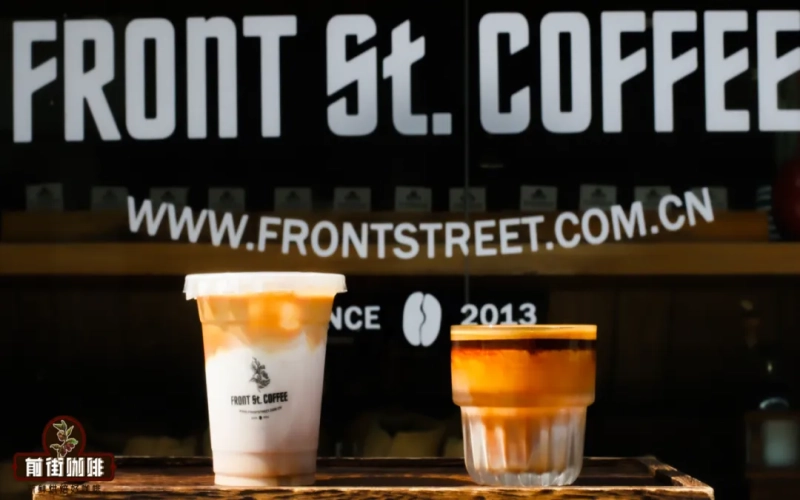
What exactly is the difference between a Dirty and an iced latte? A full breakdown of bean selection, cup size, layering, and how to drink it.
Dirty and iced latte are both combinations of cold milk and espresso, and because they look similar and use the same ingredients, they are often lumped together. But the two have significant differences in cup size, whether ice is added, cup temperature, the purpose of layering, and the way they are drunk. Dirty emphasizes taking a big gulp and experiencing the interwoven layers of hot and cold, bitter and sweet, while iced latte needs to be stirred evenly before enjoying its balanced taste. When making a Dirty, the choice of coffee beans is crucial. Front Street recommends medium-dark roasted blends or single-origin SOE beans to highlight caramel and chocolate flavors, and medium-light roasted beans can also be used to obtain fresh fruity notes. This article will, from Front Street's professional perspective, break down one by one the differences in making and tasting points between Dirty and iced latte. [more…]
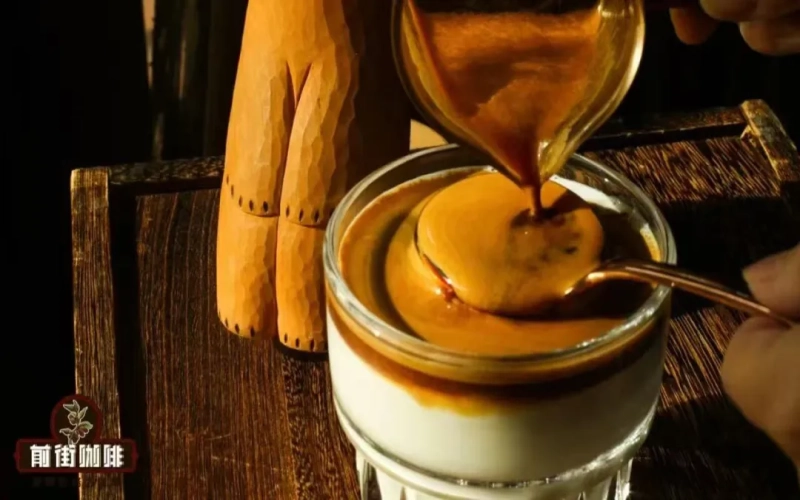
Why Has Dirty Coffee Become Such a Popular Choice? A Comprehensive Analysis from Layering Principles to Brewing Techniques
In recent years, Dirty coffee has been appearing frequently in specialty coffee shops, and has even been adopted by many establishments as a signature product. It is neither an extension of traditional espresso nor a simple version of an iced latte with the ice removed; rather, it has won the favor of a large number of coffee enthusiasts through its unique layered structure, sharply contrasting mouthfeel, and extremely high compatibility with ingredients. This article will begin with the background of Dirty's rise in popularity, sort out how it differs from the early "dirty coffee," and explain in detail how to select coffee beans, choose milk, and make a cup of Dirty with distinct layers and an outstanding taste. At the same time, the article will combine multiple products from Front Street Coffee to offer specific bean selection suggestions and pairing ideas. [more…]
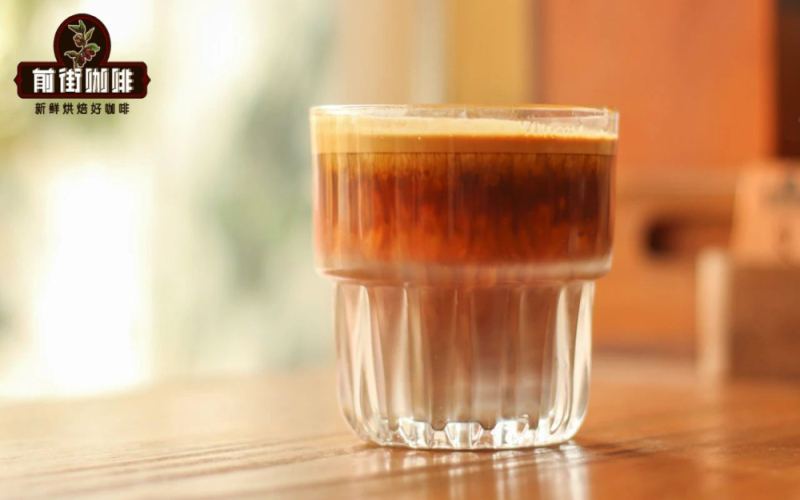
Must Dirty Coffee Use IceBock? An In-Depth Analysis of Its Taste Differences from Latte and Key Production Points
Dirty coffee is loved by many coffee enthusiasts for its layered visual effect and unique drinking experience, but there is often a misconception about whether it must be made with ice-bock milk. This article will sort out the origin and characteristics of Dirty coffee, compare its differences from iced latte in terms of ingredients and taste, and introduce the principles of ice-bock technology and its application in the coffee field. At the same time, regarding the selection of different coffee beans, it provides pairing suggestions related to the Front Street brand to help readers understand why ice-bock is more compatible with Dirty, as well as flexible ways to adapt it in actual preparation. [more…]
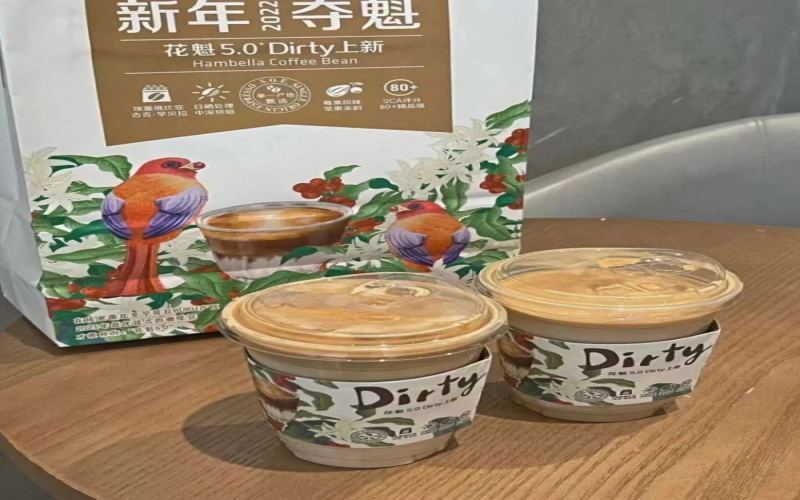
Luckin Panama SOE Bean-Hunting Conjecture: Flavor Characteristics of Caturra and Catuai Varietals and Their Performance in Latte and Dirty
After launching the Huakui SOE and Geisha SOE, Luckin Coffee has once again set its sights on the Panama producing region, sparking widespread attention in the coffee community. Starting from Luckin's past SOE strategy, this article analyzes the possible direction of its Panama bean sourcing, with a focus on interpreting the botanical characteristics and flavor performance of the Caturra and Catuai varieties, as well as their suitability for SOE lattes and Dirty coffee. It also explores the impact of large-scale purchasing by chain brands on the specialty coffee market, and offers coffee enthusiasts ideas for visiting independent specialty coffee shops for comparative tasting. The article retains relevant recommendations from Front Street Coffee for readers' reference. [more…]
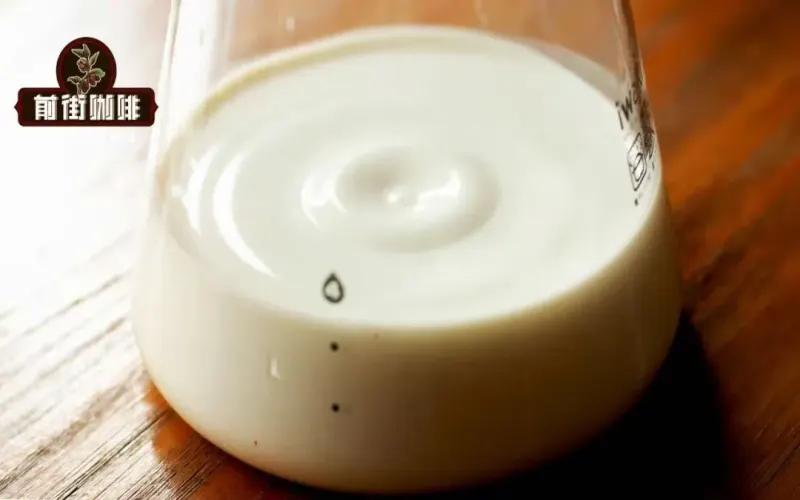
A Guide to Producing Purified Milk: Can Eisbock Be Used for Dirty and Lattes? A Full Analysis of the Freeze-Distillation Purification Method and Ratio Adjustments
Front Street has recently been sharing a lot about ice bock (concentrated milk), and quite a few friends are curious about how it actually differs from milk coffee made with regular fresh milk. Simply put, concentrated milk tastes richer and has a thicker mouthfeel. If you haven't tried it yourself, it's hard to imagine the texture, so you might as well make a cup and experience it. Besides buying ice bock online, you can also make it at home with just two steps: freezing and thawing. In this article, Front Street will break down in detail the principles of the freeze-concentration method, the key operational points, and separately explain the ratio strategies for using concentrated milk to make a Dirty and other milk coffees (such as lattes, flat whites, and cappuccinos)—for a Dirty, you can directly replace it in equal amounts, while for blended milk coffees, you need to adjust the amount of milk to avoid masking the coffee's flavor. It also retains product recommendations such as Front Street's classic blend and Queen's Estate SOE. [more…]
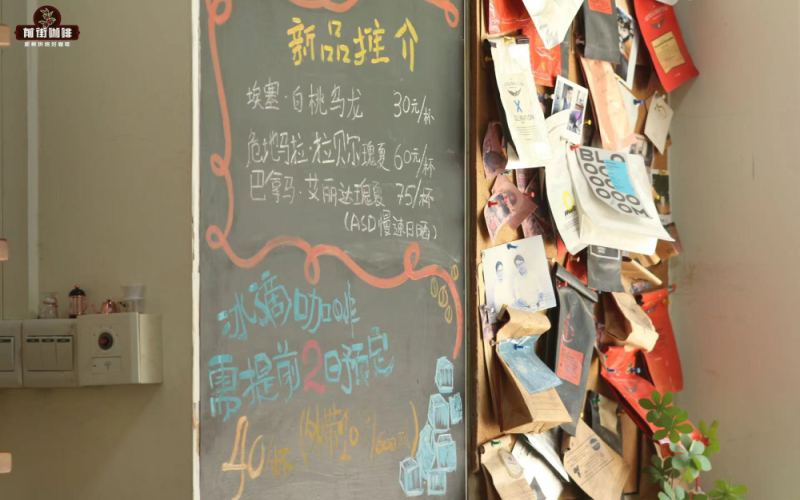
Types of Coffee Drinks | What Coffee Do Coffee Connoisseurs Drink? How to Make Americano, Latte, Dirty, Cold Brew, and Pour-Over Coffee at Home?
Don't be nervous if you're visiting a coffee shop for the first time~ Currently, there are 10 common types of coffee in coffee shops on the market: espresso, SOE coffee, Americano, latte, flat white, cappuccino, pour-over coffee, cold brew coffee, Dirty, and specialty coffee. The vast majority of these coffees are made with Arabica beans. [more…]
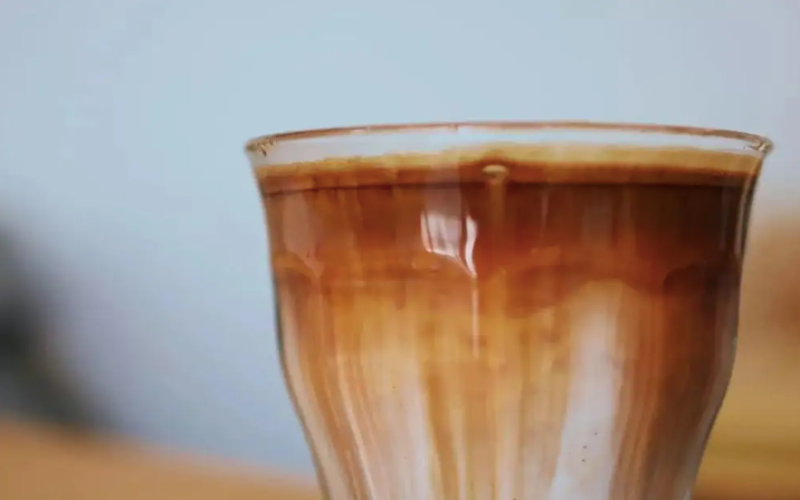
Unlocking the Ideal Methods for Dirty Coffee and Latte: Analyzing Layering Failures and Practical Tips
Do you want to recreate a beautifully layered, rich Dirty or latte at home, but always find the result far from what you get in a café? In fact, the problem may lie in a few key details: the shape of the cup, the extraction distance, the choice of coffee beans, and even the texture of the milk. This article provides a detailed breakdown of the most common reasons for failed layering in Dirty coffee, including cup selection, pouring method, coffee concentration, and milk thickness, while offering targeted operational advice. It also recommends Front Street Classic Blend and Queen's Estate SOE, which are suitable for home brewing, helping you make a Dirty or latte with both excellent visuals and flavor at home. [more…]
What Is Ice Breaker Purified Milk? A Guide to Making High-Concentration Fresh Milk at Home Using the Freeze Distillation Method for Dirty and Lattes
Front Street Coffee has frequently introduced ice bock—that is, purified milk—recently, and many friends want to know exactly how it differs from milk coffee made with ordinary fresh milk. Simply put, purified milk tastes richer, and its mouthfeel is fuller and more substantial. Besides buying it directly, you can actually easily make it at home: just freeze fresh milk and then thaw it, using the difference in freezing points among the components to remove some of the water, and you get milk with a higher concentration. In this article, Front Street Coffee will share the specific steps for purifying milk, how to judge the degree of purification, and how to adjust the ratios when using it to make milk coffees such as Dirty and latte, along with recommendations for coffee beans that pair well, to help you make a cup of rich yet not cloying purified milk coffee. [more…]
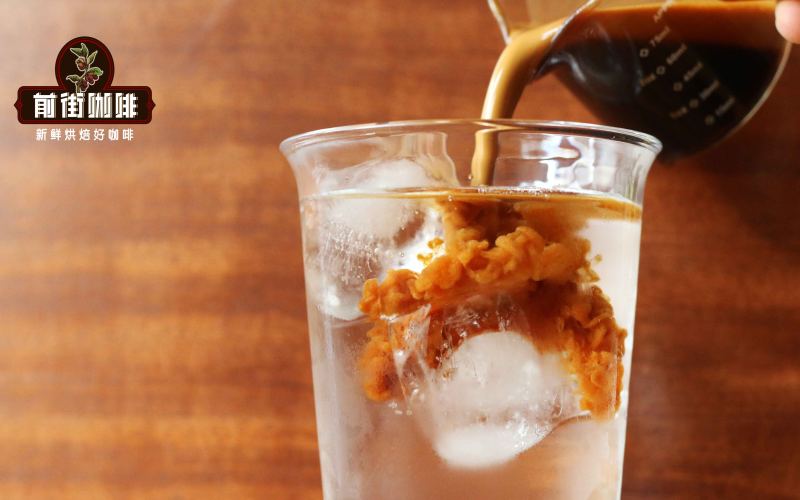
A Flavor Analysis of Ten Common Coffee Shop Drinks: From Espresso to Specialty Creations, Which One Suits Your Taste Buds
Walking into a café and facing the dazzling array of names on the menu, have you ever felt at a loss as to where to start? Espresso, SOE, Americano, Latte, Flat White, Cappuccino, pour-over, cold brew, Dirty, signature drinks—what exactly is the difference between these ten common coffee beverages? Most of them use Arabica coffee beans as their raw material, but their extraction methods, ingredient ratios, and flavor profiles each have their own distinct characteristics. Front Street Coffee will walk you through the features and taste of each type of coffee one by one, from rich and full-bodied espresso to clean and bright pour-over, and then to fruity cold brew, helping you find the cup that suits you best. [more…]
Flavor analysis of ten common coffee drinks in cafés: from espresso to latte to cold brew and specialty creations
Walking into a coffee shop and facing a dense menu, many people are momentarily at a loss as to where to start ordering. In fact, the common coffee drinks on the market can be roughly summarized into ten types: espresso, SOE, Americano, latte, flat white, cappuccino, pour-over, cold brew, Dirty, and specialty coffee. The vast majority of them use Arabica coffee beans as the raw material, differing only in extraction method, milk ratio, and preparation technique. Front Street Coffee will go through the recipe logic and flavor characteristics of these ten coffees one by one, helping coffee lovers quickly build a clear understanding and find the cup that best suits their taste. [more…]
Luckin Huakui 5.0 Dirty Coffee Flavor Analysis: Taste, Aroma, and Brewing Suggestions for Ethiopian Sidama Heirloom Varieties
After emerging from its financial difficulties, Luckin Coffee turned its strategic attention to the specialty coffee sector, placing a hefty order for 90 tons of Huakui 5.0 coffee beans and launching the Huakui SOE series, which drew widespread market attention. This article will walk you through the origin of the name Huakui coffee beans, the evolution of its versions over the years, and the differences between new products such as Huakui 5.0 and Huakui PLUS. At the same time, we will take an in-depth look at the characteristics of the Ethiopian Sidamo native heirloom variety, share Front Street Coffee's cupping experience with each version of Huakui, and provide professional pour-over brewing parameters and flavor descriptions to help coffee lovers fully grasp the charm of this star bean. [more…]
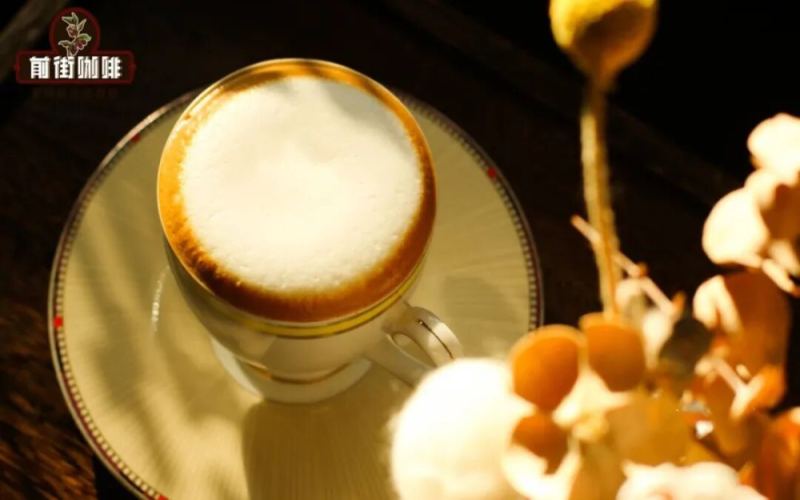
How to Choose Milk for Coffee? A Guide from the Differences Between Fresh Milk and Pure Milk to Milk Pairings for Lattes, Flat Whites, and Dirty Coffee
Milk plays an irreplaceable role in coffee drinks—lattes, flat whites, cappuccinos, and Dirty coffees all depend on it. But faced with the dazzling array of dairy products on the market, which milk is actually suitable for pairing with coffee? What's the difference between fresh milk from different brands and shelf-stable pure milk when making coffee? Front Street Coffee combines milk characteristics with coffee bean styles to help you sort out your milk selection approach. From the advantages of whole fresh milk, to matching milk according to roast level, to the milk selection directions for iced and hot lattes, flat whites, and Dirty coffees respectively, this article explains each one by one, helping coffee enthusiasts find the right milk pairing when making different coffees. [more…]
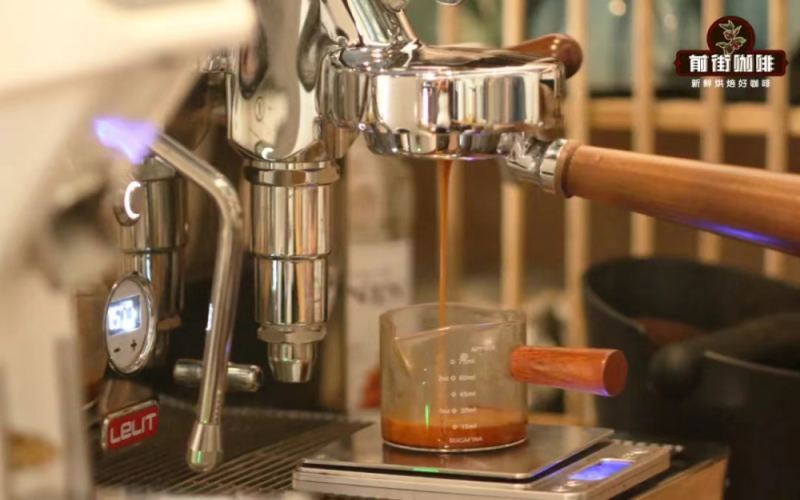
What Exactly Is SOE Coffee? How Is It Different from Single-Origin and Blend Beans? A Full Guide to Making Yirgacheffe SOE
In recent years, SOE coffee has become increasingly common in neighborhood cafes, and many shops are equipped with two espresso grinders at the same time, one for traditional blended beans and the other dedicated to SOE. SOE is the abbreviation of "Single Origin Espresso," referring to espresso made from single-origin coffee beans. It overlaps with the broader concept of single-origin coffee beans, but is not completely equivalent to it. Blended beans, by contrast, mix beans from multiple origins for cost, stability, and flavor. Based on the experience of Front Street Coffee baristas, this article analyzes the key points of bean selection for SOE, and shares in detail the specific parameters and operating steps for making Yirgacheffe SOE espresso, americano, and Dirty with Front Street Konga single-origin beans, helping enthusiasts make delicious SOE at home. [more…]
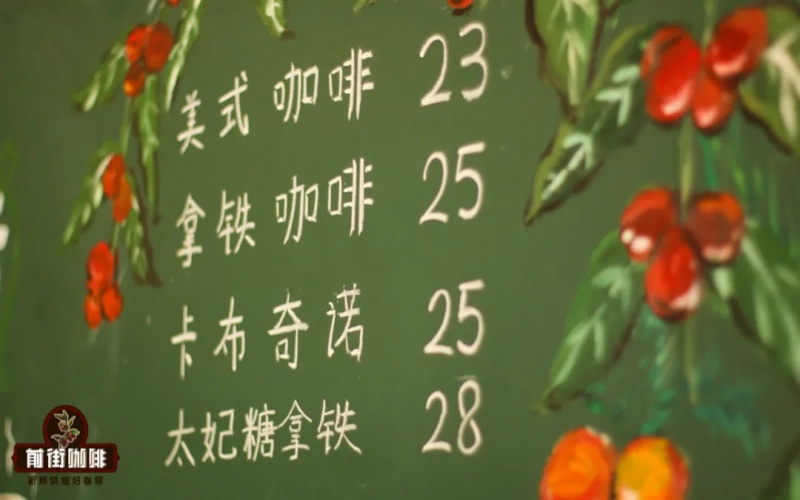
Why Is a Flat White Only Served Hot? The Meaning of Flat White and an Analysis of Its Milk Foam Differences from Latte and Cappuccino
Can a flat white be made as an iced drink? What exactly does "flat white" mean? Where does it differ at its core from a latte or a cappuccino? Starting from the controversy over the origins of the flat white, this article sorts out this espresso milk coffee's cup size, milk foam thickness, and taste characteristics, explains why specialty coffee shops generally do not offer iced flat whites, and offers Front Street Coffee's popular blends and SOE recommendations, helping you understand the real reason behind why flat whites are only served hot. [more…]